Fabrication of Heavy Steel And Structure In Vadodara
Fabrication of heavy steel and structure in vadodara In the world of industrial development, infrastructure, and large-scale construction, the fabrication of heavy steel and structural components plays a critical role. This specialized process provides the backbone for everything from skyscrapers and bridges to power plants and shipyards. If you're in construction, manufacturing, or engineering, understanding the fabrication process can help ensure your project is structurally sound, efficient, and cost-effective.
In this blog, we’ll explore the key elements of heavy steel fabrication, the steps involved, materials used, benefits, and how to choose the right fabrication partner for your next project.

What Is Heavy Steel & Structural Fabrication?
Heavy steel fabrication is the process of cutting, bending, assembling, and welding large metal components to create robust structures used in industrial and commercial applications. These components often include beams, columns, trusses, platforms, and industrial frameworks that must bear significant loads and withstand extreme environmental conditions.
This type of fabrication is typically performed in controlled environments by skilled professionals using advanced tools like CNC machines, plasma cutters, and robotic welders.
Explore:
Site Construction
Fabrication
Plant Maintenance
Piping Designing
Key Steps in the Fabrication Process
The fabrication of heavy steel structures follows a systematic approach to ensure safety, strength, and compliance with engineering standards. Below are the core steps involved:
1. Design & Planning
Every fabrication project begins with detailed engineering drawings and CAD models. Structural engineers and designers define the load requirements, material specifications, and design tolerances.
2. Material Selection
Choosing the right type of steel is critical. Common materials include:
-
Mild steel
-
Carbon steel
-
Stainless steel
-
High-strength low-alloy steel
Material selection depends on project requirements such as load-bearing capacity, corrosion resistance, and environmental exposure.
3. Cutting & Shaping
Steel sheets or beams are cut into specific shapes using:
-
Laser cutting
-
Plasma cutting
-
Water jet cutting
-
Mechanical sawing
4. Bending & Forming
Shaping the steel into the required geometry using press brakes, rolling machines, or hydraulic presses ensures the structure meets dimensional accuracy.
5. Welding & Assembly
Welding is a crucial phase, where individual components are joined to form the final structure. Methods include:
-
MIG (Metal Inert Gas) welding
-
TIG (Tungsten Inert Gas) welding
-
Arc welding
6. Surface Treatment
To protect the steel from corrosion and enhance appearance, surface treatments like sandblasting, galvanizing, or powder coating are applied.
7. Quality Control & Inspection
Fabricated components undergo rigorous testing for strength, alignment, and weld integrity. This includes:
-
Ultrasonic testing
-
Radiographic testing
-
Visual inspection

Applications of Heavy Steel Fabrication
Heavy steel fabrication is essential in a wide range of industries:
-
Construction: Structural frames for commercial buildings, warehouses, and stadiums.
-
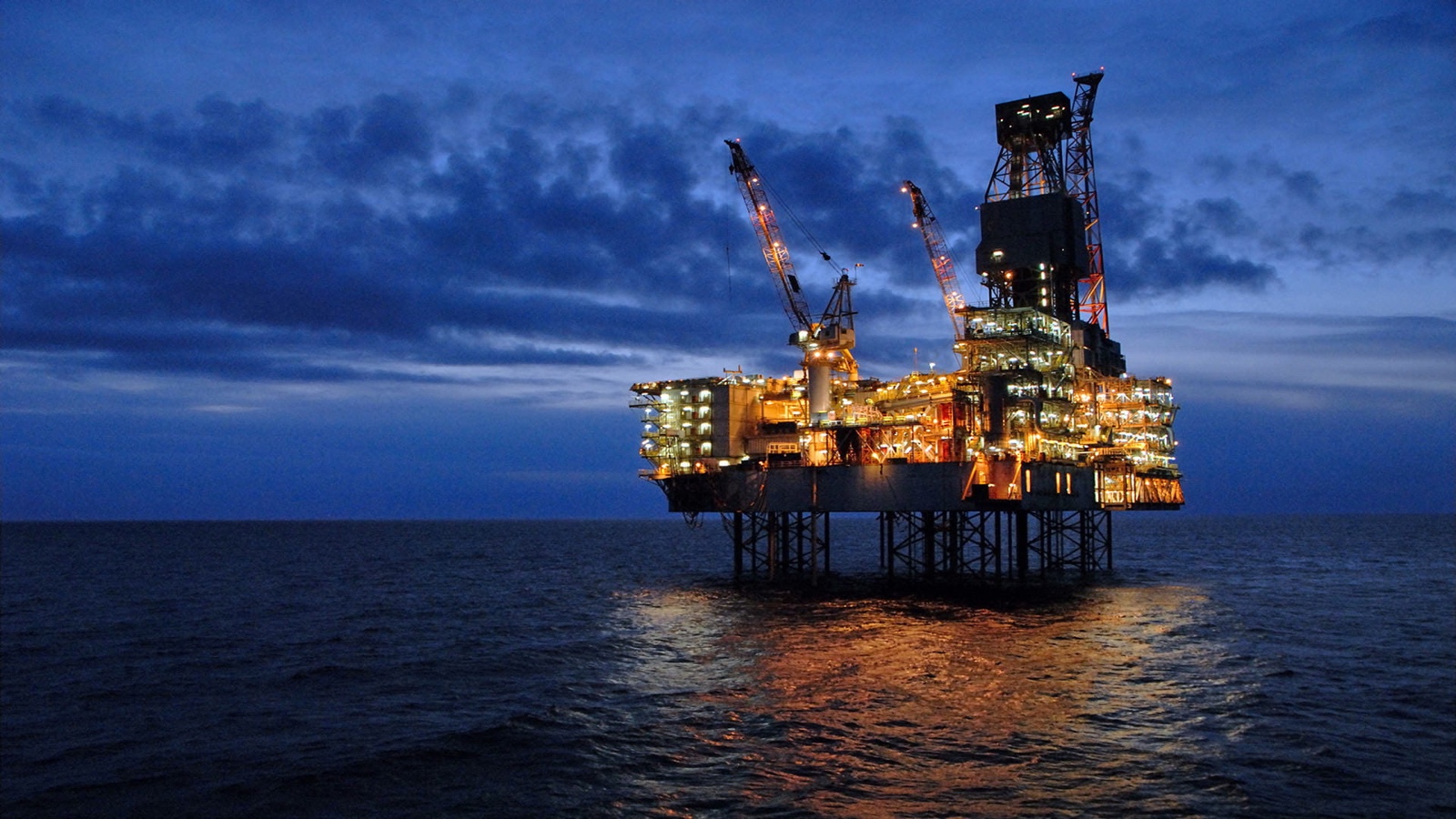
Energy: Components for oil rigs, wind turbines, and power stations.
-
Transport: Bridges, railway supports, and shipbuilding frameworks.
-
Mining & Heavy Equipment: Support structures for crushers, conveyors, and towers.
Benefits of Heavy Steel & Structural Fabrication
1. Durability and Strength
Steel offers unmatched strength-to-weight ratio, making it ideal for structures that must endure heavy loads and harsh environments.
2. Cost-Efficiency
Fabrication processes are highly optimized, reducing waste and labor costs while improving turnaround time.
3. Customization
Every project has unique demands. Steel fabrication allows for complete customization in design, dimensions, and functionality.
4. Sustainability
Steel is recyclable and contributes to green building practices. Many structural steel components are made with recycled material.
5. Precision Engineering
Modern fabrication technologies ensure tight tolerances and consistency, which is critical in large-scale construction.
Choosing the Right Fabrication Partner
To ensure the success of your project, selecting a reliable heavy steel fabrication company is crucial. Here’s what to look for:
Experience & Portfolio
Choose a fabricator with a proven track record in projects similar to yours—bridges, buildings, or industrial plants.
Certifications & Compliance
Look for companies certified under ISO 9001, AWS (American Welding Society), or ASME standards.
Facility Capabilities
A modern fabrication shop should have advanced equipment and capacity to handle large-scale projects efficiently.
Quality Assurance
Ask about their quality control processes, testing methods, and final inspection protocols.
Project Management
Effective communication, timelines, and project planning are essential for smooth execution and delivery.
FAQs
1. What is heavy steel fabrication?
It’s the process of cutting, welding, and assembling large steel components for industrial structures.
2. How long does steel structure fabrication take?
Timelines vary, but most projects range from a few weeks to several months based on complexity.
3. What industries use heavy steel structures?
Construction, energy, transportation, and manufacturing all rely heavily on structural steel fabrication.
Need Reliable Fabrication of Heavy Steel And Structure In Vadodara?
Partner with industry-leading experts for precision-engineered structural steel solutions.
Request a Quote Today