Energy Equipment Design In Vadodara
In an era defined by the urgent need for sustainability, energy equipment design in Vadodara,Gujarat, India has emerged as a cornerstone of innovation. As the world transitions from traditional fossil fuels to cleaner and more efficient sources, the engineering behind energy systems solar panels, wind turbines, batteries, and other power generation or storage devices has become critical.
This blog dives deep into the principles, challenges, and future trends of energy equipment design in Vadodara, exploring how engineers and scientists are reshaping the world’s energy infrastructure.
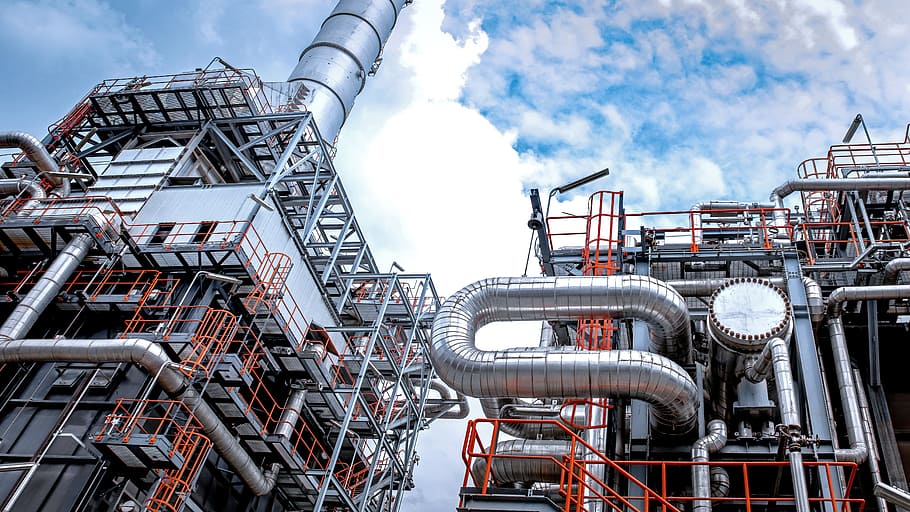
What Is Energy Equipment Design In Vadodara?
Energy equipment design refers to the process of creating, testing, and optimizing machines and systems that generate, convert, store, or transmit energy. This encompasses everything from large-scale turbines and photovoltaic cells to smart meters and battery storage units.
The goal? To maximize efficiency, safety, durability, and sustainabilityall while keeping costs manageable. Good design minimizes energy loss, reduces environmental impact, and ensures that the systems can operate in diverse and often harsh environments.
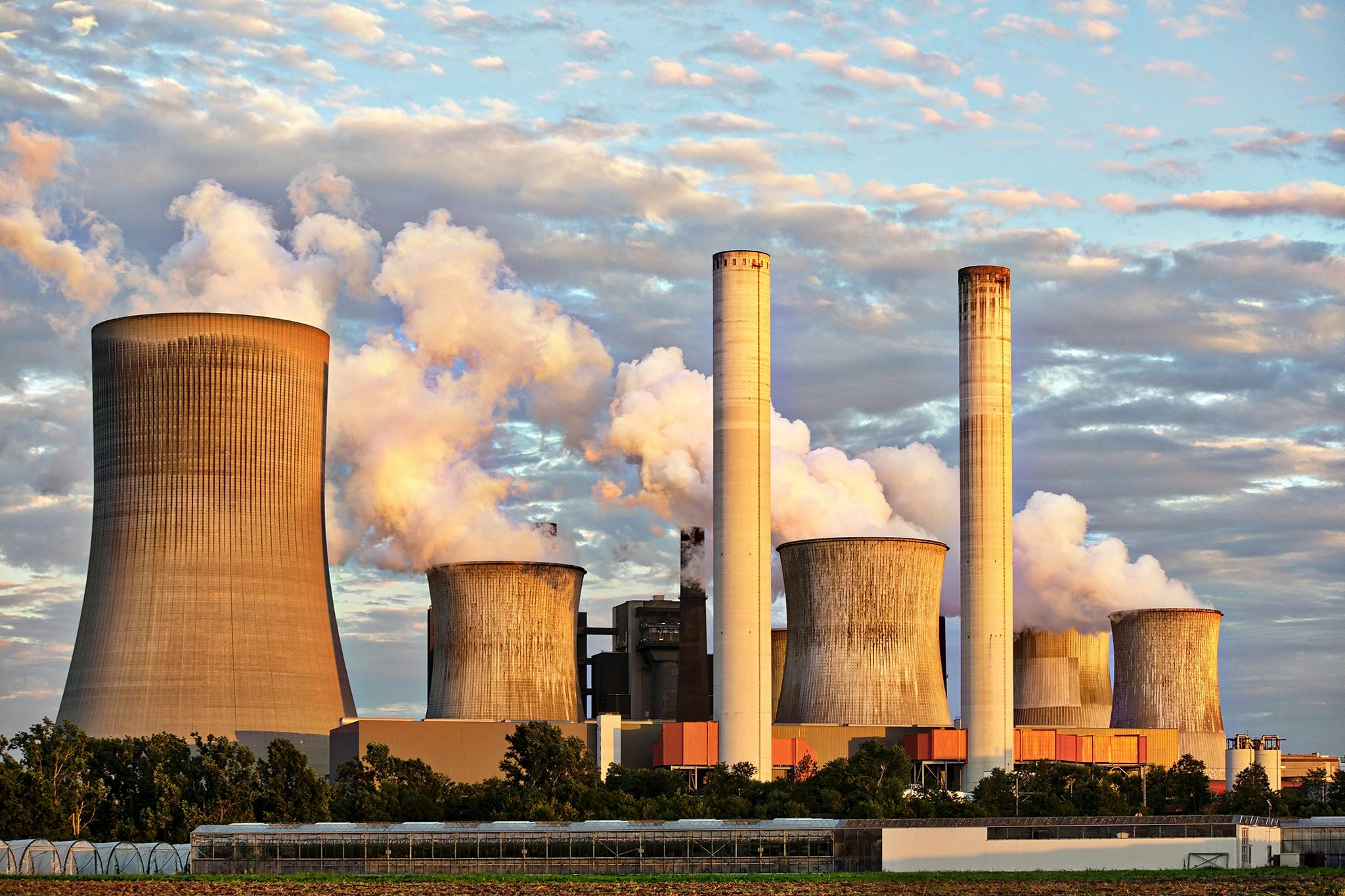
Key Principles of Energy Equipment Design In Vadodara
-
Efficiency
Energy efficiency is the heart of good design. Whether it’s minimizing friction in turbines, maximizing sunlight capture in solar panels, or reducing heat loss in battery systems, efficiency improvements directly translate to energy savings and lower operational costs.
-
Scalability
Designs must be adaptable for different scales—from residential rooftop solar panels to utility-scale wind farms. Modular designs are gaining popularity because they allow scalability without starting from scratch.
-
Durability and Reliability
Energy systems often operate in remote or challenging conditions. From the arid deserts where solar farms are installed to the turbulent seas that host offshore wind farms, equipment must withstand environmental stressors.
-
Sustainability
Materials selection plays a huge role. Engineers aim to use recyclable or biodegradable materials wherever possible. Furthermore, lifecycle analysis helps designers understand the environmental impact of equipment from cradle to grave.
-
Safety
Safety regulations guide the design of energy systems to prevent accidents. This includes everything from thermal management in batteries to shutdown protocols in nuclear reactors.
Core Components in Energy Equipment Design In Vadodara
1. Solar Energy Systems
Solar panel design focuses on improving the photovoltaic (PV) cell's ability to convert sunlight into electricity. Innovations include:
-
Multi-junction cells that absorb different light wavelengths
-
Perovskite materials, which promise higher efficiency at lower costs
-
Transparent solar cells for integrating power generation into windows or facades
Mounting systems and solar trackers are also part of design considerations, maximizing exposure to sunlight throughout the day.
2. Wind Turbines
Modern wind turbine design is a blend of aerodynamics, materials science, and data analytics:
-
Blade shape is optimized to extract maximum kinetic energy
-
Gearless (direct drive) systems reduce maintenance and improve reliability
-
Smart sensors help monitor conditions and performance in real-time
3. Energy Storage Systems
Battery design has become a hotbed of innovation, especially with the rise of electric vehicles and intermittent renewable sources. Key developments include:
-
Solid-state batteries for higher safety and energy density
-
Thermal management systems to prevent overheating
-
Recyclability and second-life applications for used batteries
4. Smart Grids and Control Equipment
Smart energy devices like inverters, smart meters, and controllers are vital for integrating various energy sources into the grid. Design focuses include:
-
Real-time data processing
-
AI-based demand forecasting
-
Cybersecurity to protect against digital threats
Challenges in Energy Equipment Design
1. Material Constraints
Rare earth metals like neodymium and lithium are essential in many energy devices but are expensive and geopolitically sensitive. Engineers are exploring alternative materials or ways to reduce dependence on these resources.
2. System Integration
New technologies must often be retrofitted into older infrastructure. Ensuring compatibility with existing systems while maintaining efficiency is a major hurdle.
3. Cost Management
Balancing performance, durability, and affordability is a tightrope walk. Government subsidies and incentives help, but engineers must still innovate within tight budget constraints.
4. Regulatory Compliance
Designs must adhere to national and international standards. This includes everything from electrical safety to environmental impact assessments.
Trends Shaping the Future of Energy Equipment Design
🔹 Digital Twin Technology
By creating a virtual replica of physical equipment, engineers can test and simulate different conditions and performance metrics without physical prototyping. This reduces development time and cost.
🔹 AI and Machine Learning
These technologies are revolutionizing predictive maintenance, performance optimization, and grid management. Algorithms can predict failures before they happen or adjust systems for peak efficiency.
🔹 3D Printing
Also known as additive manufacturing, 3D printing enables rapid prototyping and the production of complex geometries not possible with traditional methods—perfect for custom parts in turbines or battery components.
🔹 Biomimicry
Designers are looking to nature for inspiration like mimicking the wing structure of birds for turbine blades or using photosynthetic processes in solar equipment.
🔹 Circular Design
The shift toward a circular economy is influencing design. Instead of a linear lifecycle (produce-use-dispose), engineers are thinking in loops designing equipment that can be reused, refurbished, or recycled.
Case Study: Tesla’s Battery Innovation
Tesla’s success in the energy storage industry is due in large part to its design excellence. Its Powerwall and Megapack units combine lithium-ion chemistry with smart electronics and thermal control, offering homeowners and utilities scalable, efficient, and safe energy storage solutions.
Tesla's use of cylindrical cells, modular architecture, and continuous software updates represents a gold standard in energy equipment design In Vadodara one where hardware and software evolve hand in hand.
FAQs
1. What is the most important factor in energy equipment design?
Efficiency is typically the top priority. It ensures that energy is converted and used with minimal loss, directly impacting performance, cost, and sustainability.
2. How does AI help in energy equipment design?
AI enables predictive maintenance, real-time performance monitoring, and optimized control systems, improving both reliability and efficiency in modern energy infrastructure.
3. Are renewable energy systems expensive to design and install?
While upfront costs can be high, prices have dropped significantly. Smart design reduces long-term costs through improved performance, low maintenance, and energy savings.